



Country: Lebanon
World Learning Lebanon
Fulbright Specialist Program
Global Undergraduate Exchange Program

International Visitor Leadership Program
End of Year Report
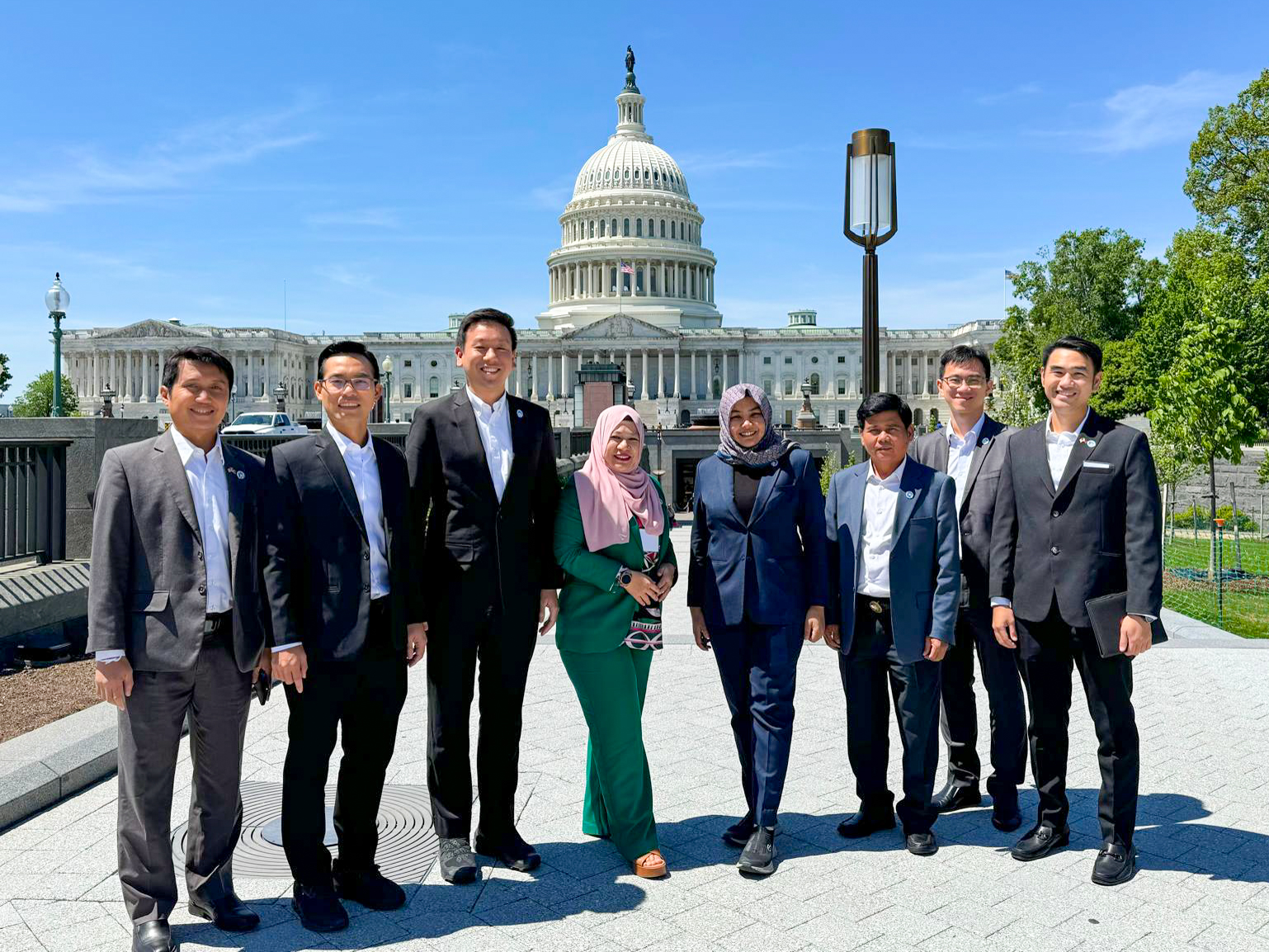
Chosen by U.S. embassies worldwide to participate, distinguished professionals include:
- parliamentarians
- government officials
- entrepreneurs
- NGO leaders
- journalists
- academics
- arts administrators
- mid-career professionals
Programs focus on policy issues in areas such as:
- government
- international security
- foreign policy
- entrepreneurship
- economics and trade
- media
- leadership
- education
- global health
- arts
- agriculture
- human rights
World Learning staff members design national itineraries, arrange logistics, set up meetings in Washington, DC, and coordinate the collaboration of U.S. Department of State program officers, interpreters and International Visitor Liaisons, and more than 85 local organizations from the Global Ties U.S. Network who arrange local programs nationwide.
Participants
Most participants are mid-career professionals and emerging leaders, and for many, this is their first visit to the U.S. Groups are of varying sizes, from single visitors to groups of 25 or more. World Learning program staff work closely with their State Department counterparts to design a program customized to the project objectives and the visitors’ interests.
Participant Selection
IVLP candidates are selected solely by U.S. embassy personnel in each country. There is no application form. World Learning is a private sector partner of the U.S. Department of State; our role is limited to designing programs for participants once they arrive in the U.S. For further information regarding the program, please consult the U.S. Department of State’s website.
Program Design
A typical project includes up to a week of meetings in Washington, DC, to provide an orientation and overview of the theme and to introduce visitors to federal officials and agencies, organizations, and professionals in their specific field of interest. All projects include a briefing on the U.S. federal system of government. Meetings may include panel discussions, site visits, workshops, individual interlocutors, job shadowing, or service opportunities. Visitors typically travel to an additional three or four cities across the country; the itinerary may include a state capital and a small town to provide first-hand exposure to the people and culture of the U.S. Also included in the program design are hospitality dinners, school visits, volunteer activities, and cultural events such as rodeos, state fairs, festivals, visits to national parks, or events that highlight some unique aspect of the region visited.
Participant Experience
“My recent experience in the IVLP program is so far the deepest ever for me to see and understand the full picture of what America as a country is like. I strongly believe this program will have a very long-term impact on my views about America and the world and to some extent it has already helped me to understand many long-time questions.” – Journalist from China
The International Visitor Leadership Program is sponsored by the U.S. Department of State with funding provided by the U.S. Government and administered by World Learning.
Leaders Lead On-Demand Program
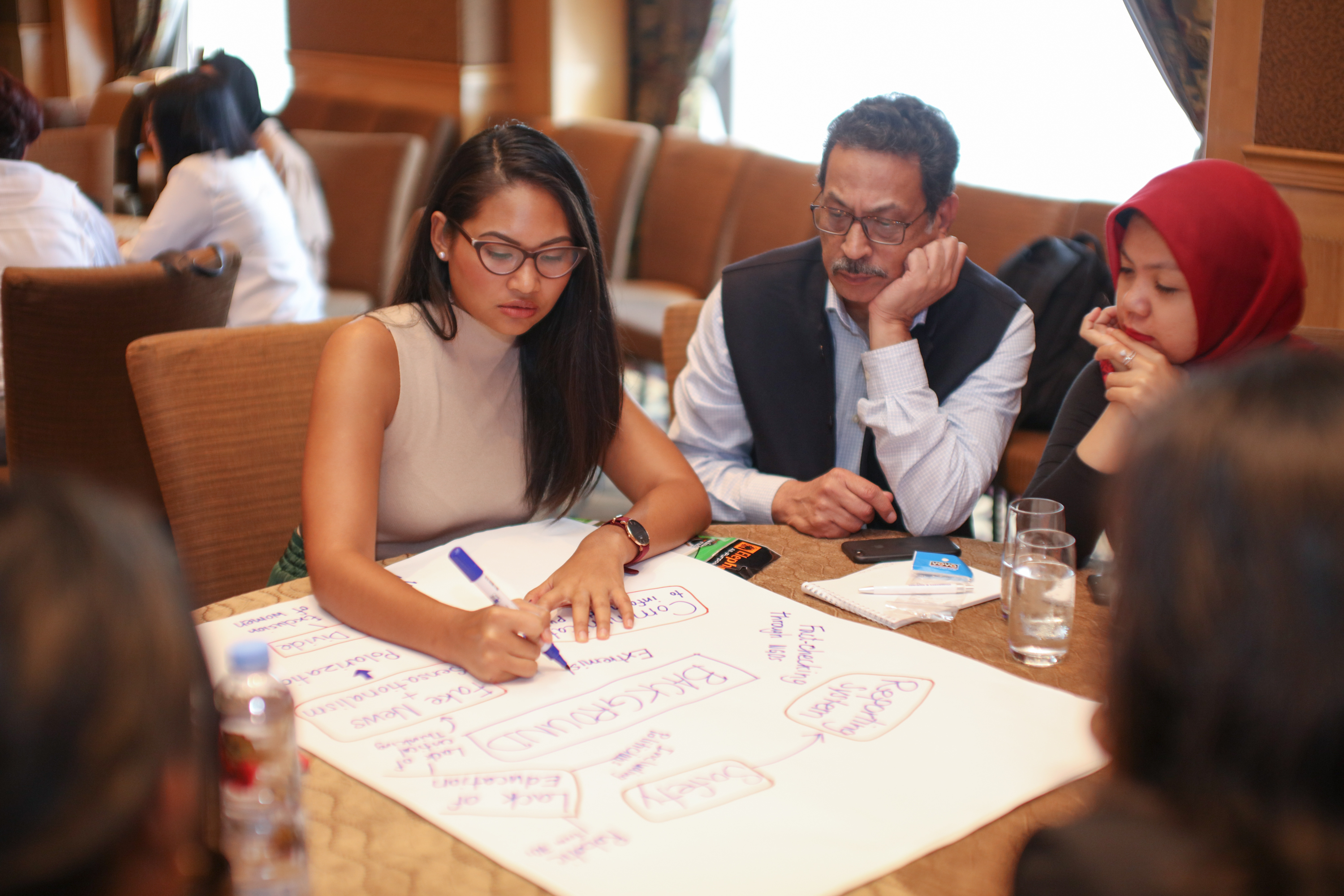
Examples of past leaders Lead On-Demand Projects:
- Vietnam Legal Aid
- Sports Leadership Program for Colombia
- Mongolia Disability Rights Legislation and Implementation
- Promoting Open Educational Resources: Middle East and North Africa
- Tourism and Development in Serbia and Kosovo
- Religious Freedom and Interfaith Dialogue for Myanmar, India, Indonesia, Malaysia, Sri Lanka, and Thailand
- Emerging Leaders Exchange for Northern Ireland and the Republic of Ireland
- Getting Connected Program for the South Pacific
Leadership Development Fellowship
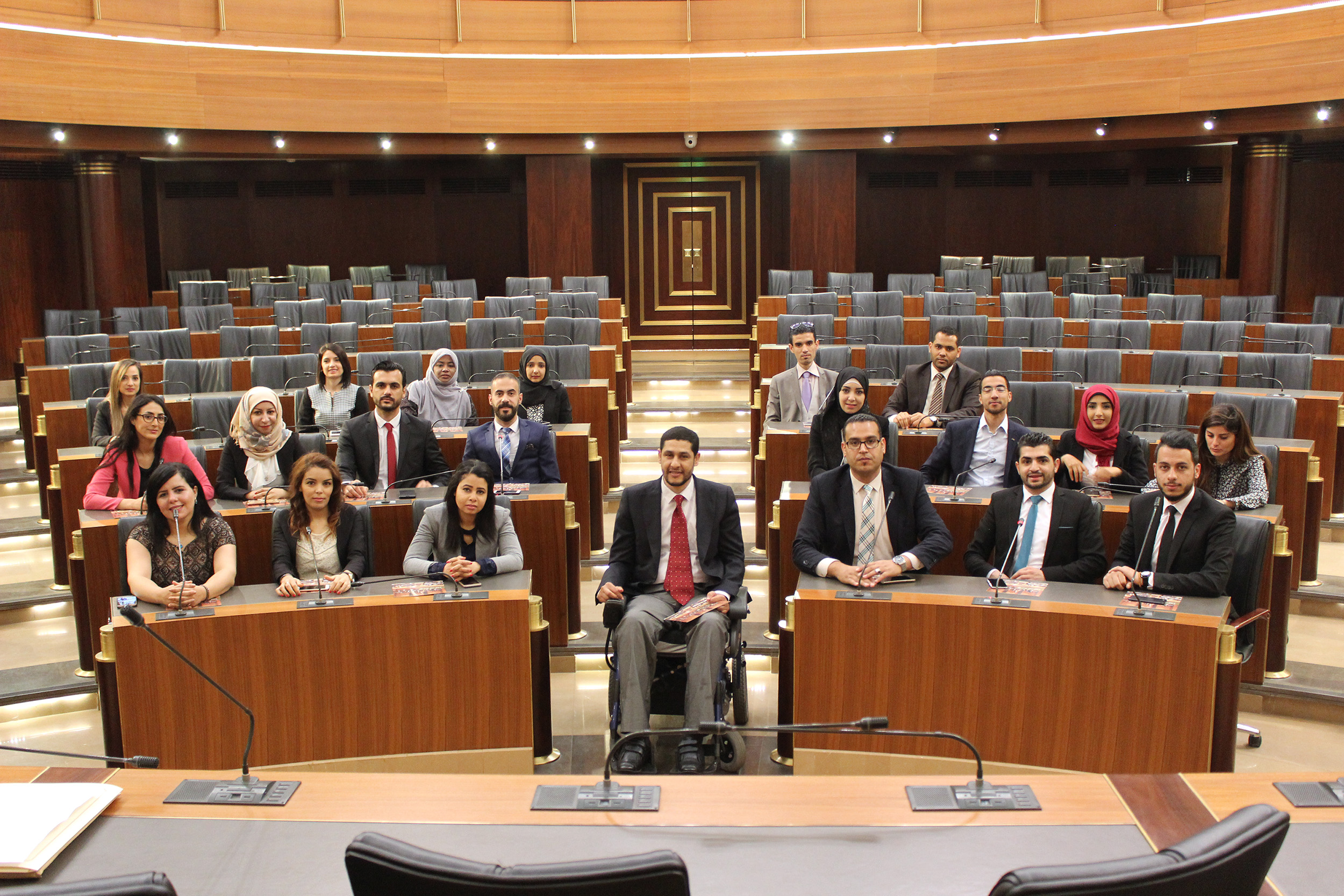
MEPI Alumni Connection
Online Professional English Network Program (OPEN Program)

Quality Instruction Towards Access and Basic Education Improvement (QITABI)
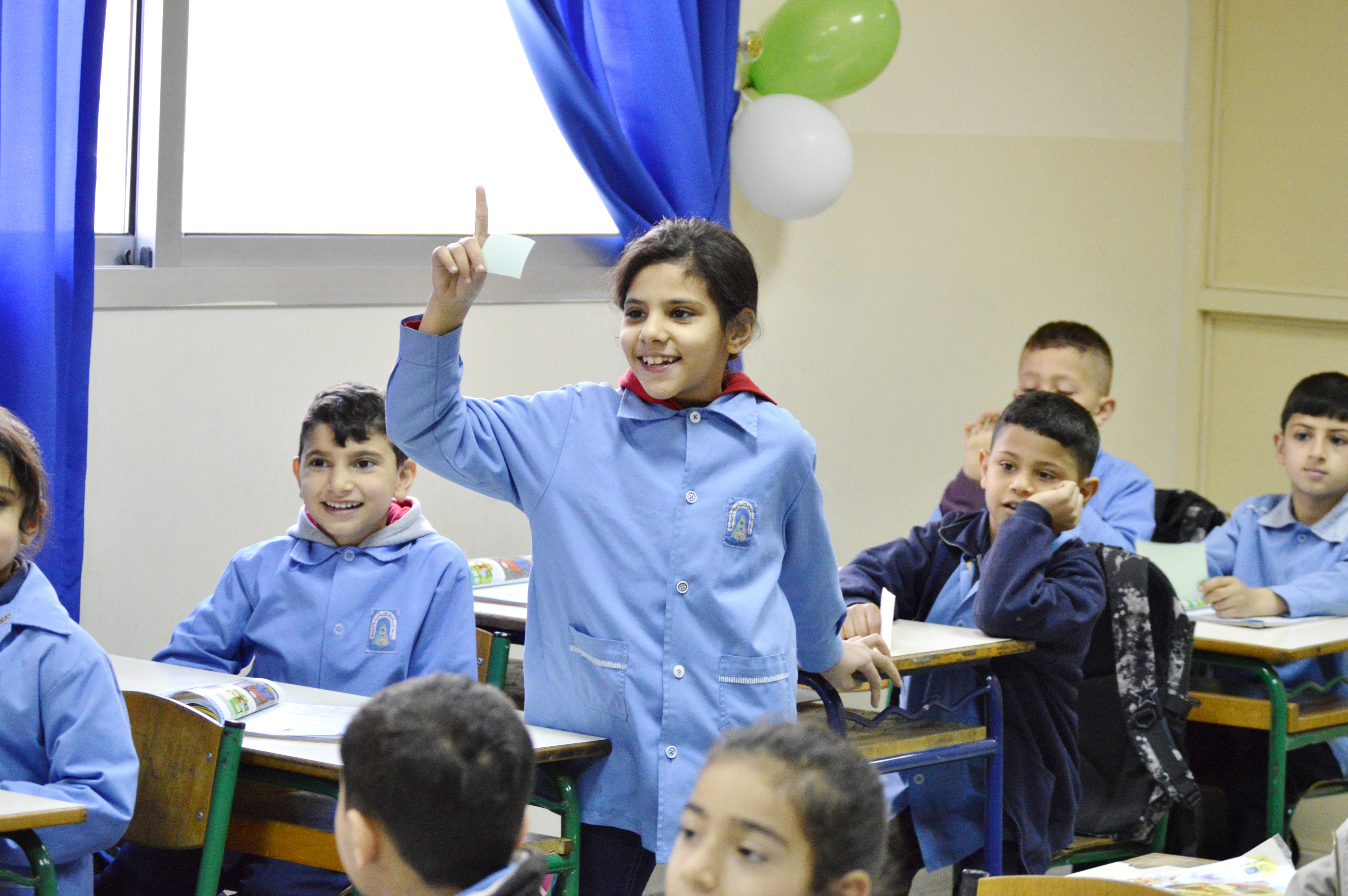
The project provides technical assistance and capacity building within the context of three project components:
Component 1: Improving reading outcomes for primary level public school students
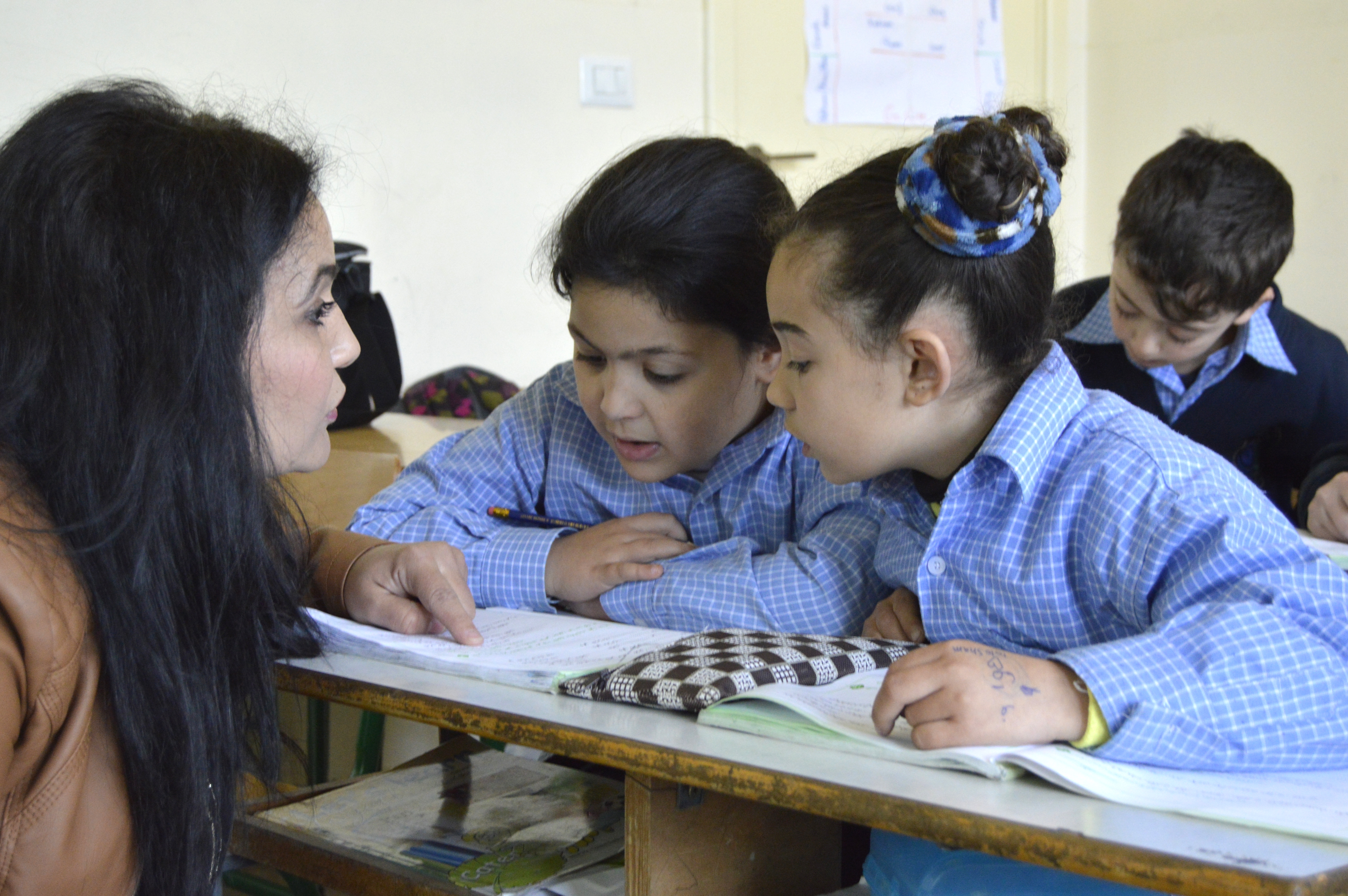
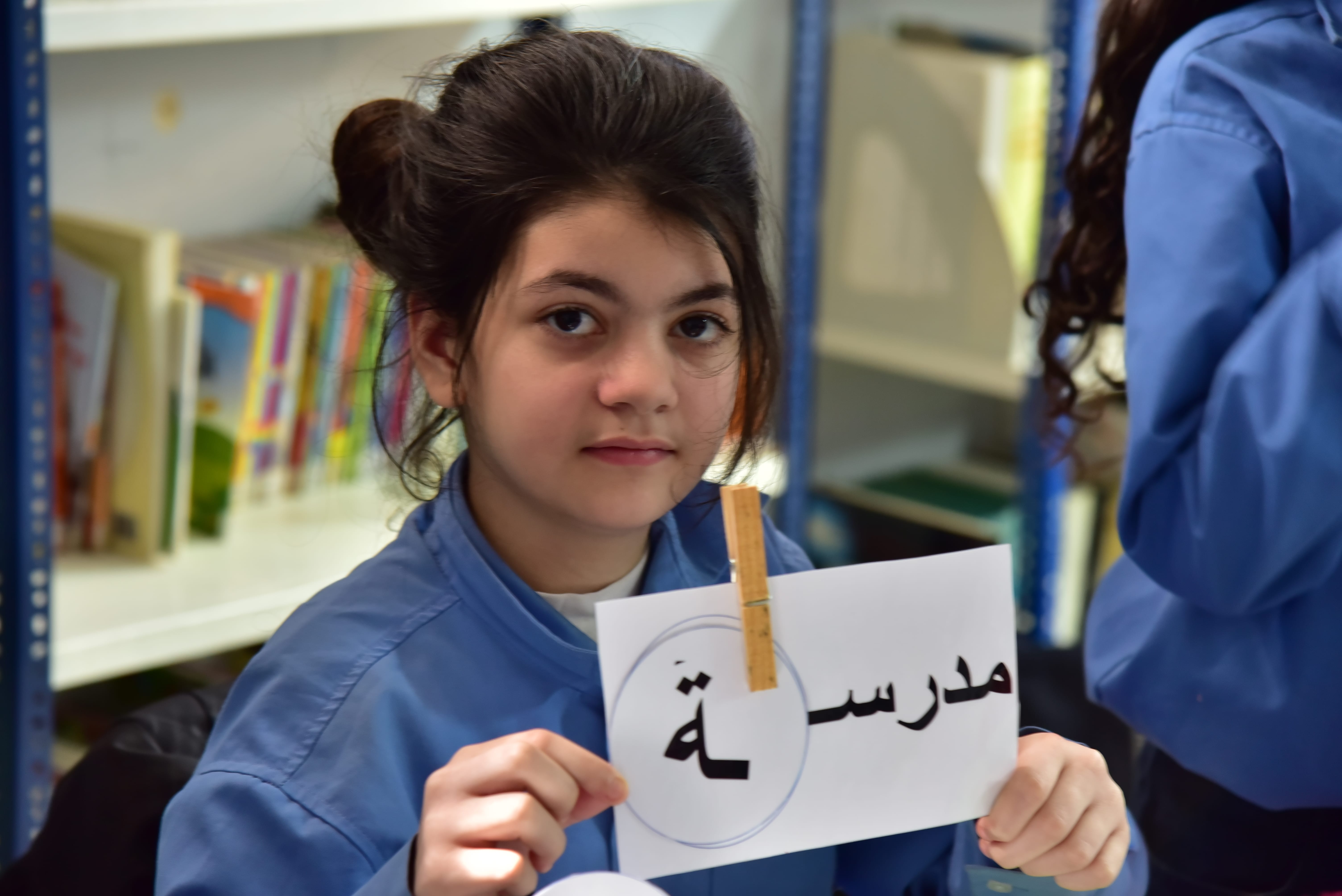
QITABI Component 1 focused on improving early–grade students’ Arabic language reading skills in grades 1-4 in 913 primary public schools. The project instituted an early-grade reading assessment to track and monitor students’ reading skills and progress, established an early warning system to identify and support struggling readers, and developed teacher training modules and classroom materials to enhance learning. QITABI provided training and coaching to more than 1,947 primary school teachers and offered day-to-day support through the project’s learning facilitators. QITABI also hosted parent and community awareness reading activities, such as Parent Reading Circles. Additionally, QITABI trained the Ministry’s teacher mentors and the Center for Education and Research and Development’s master trainers to support oversight of the program and professional development for educators. QITABI also provided read-aloud, leveled books, and e-books to enhance reading instruction and learning for more than 100,000 students, ICT equipment (teacher’s laptop, overhead projector, and screen), and digital content to improve classroom learning environments for more than 58,600 students across Lebanon. QITABI helped set up dedicated ICT resource rooms to improve access to digitized teaching and learning materials in 300 schools.
Component 2: Expanding access to safe and relevant education for vulnerable public school students
QITABI’s Component 2 aimed to increase enrollment and retention of students in the formal education system by addressing barriers to attendance and bettering the school experience. To achieve this goal, the project worked with 300 public schools nationwide, focusing on those in marginalized communities, to equip them with ICT resource rooms and improve the overall school environment. More than 63,000 students benefited from these changes. QITABI also worked with the Lebanese MEHE to build child-friendly schools by developing social and psychosocial support activities and designing and implementing a strategy to bring ICT resources into primary schools. In addition, the project procured and delivered 100 school buses to help 4,800 students gain access to a high-quality education. The buses provided transportation to out-of-school students who live in rural areas, which facilitated basic literacy and numeracy classes and allowed program staff to promote enrollment in formal education. These buses helped up to 5,000 vulnerable out-of-school children and youth gain access to a high-quality education.
Component 3: Strengthening management (resilience in the education system to better direct and monitor education)
Components 1 and 2’s effectiveness relied on strong institutional systems within MEHE to ensure sustainability. Activities under Component 3 strengthened MEHE’s ability to monitor education services and effectively design and oversee reform efforts. This included stakeholder analysis and policy mapping, compiling and analyzing data collected at the school level, and familiarizing MEHE units and departments with evidence-based decision-making. These activities helped develop and strengthen policies and guidelines for a more resilient Lebanese education system.
Achievements
- 913 public primary schools consistently participated in teacher training and coaching, strengthened support systems for struggling readers, received new early-grade reading materials, and increased parental involvement.
- Through these schools, QITABI activities reached 66,993 students.
- 1,947 teachers received training and coaching on reading education and student assessments, new classroom resources and materials, and a teacher support network.
- 529 schools received ICT equipment to improve reading outcomes, and 300 schools received ICT resource rooms to enhance the overall school learning environment.
- By the end of QITABI’s activities, 78% of students in Grades 1-4 had improved their Arabic reading skills by at least one reading level, 62% had improved by one or two reading levels, and 16% had improved by three or more reading levels.
- In Grade 2, 1.7% of students improved their oral reading fluency scores, and 2.7% improved their reading comprehension scores. In Grade 3, 2% and 2.5% of students had improved their oral reading fluency and comprehension scores, respectively.
- The National Student Learning Assessment Framework (NSLAF), developed by QITABI in collaboration with MEHE, is an evidence-based framework detailing appropriate forms of assessment for different levels of schooling and learning. The NSLAF also outlines a capacity development plan to improve literacy assessment practices among the school workforce. This framework was adopted by MEHE and integrated into MEHE’s assessment .
Beginning in 2019, World Learning implemented QITABI 2 as a continuation of the QITABI project.
Quality Instruction Towards Access and Basic Education Improvement (QITABI) 2
QITABI 2 REPORT
Explore the QITABI 2 final report to learn how the program improved student performance in reading, math, and writing, enhanced social and emotional learning, and strengthened Lebanon’s national education service delivery.
Supporting Vulnerable Girls and Boys to Access in Education in Lebanon (Dirasa)
Special Programs to Address the Needs of Survivors
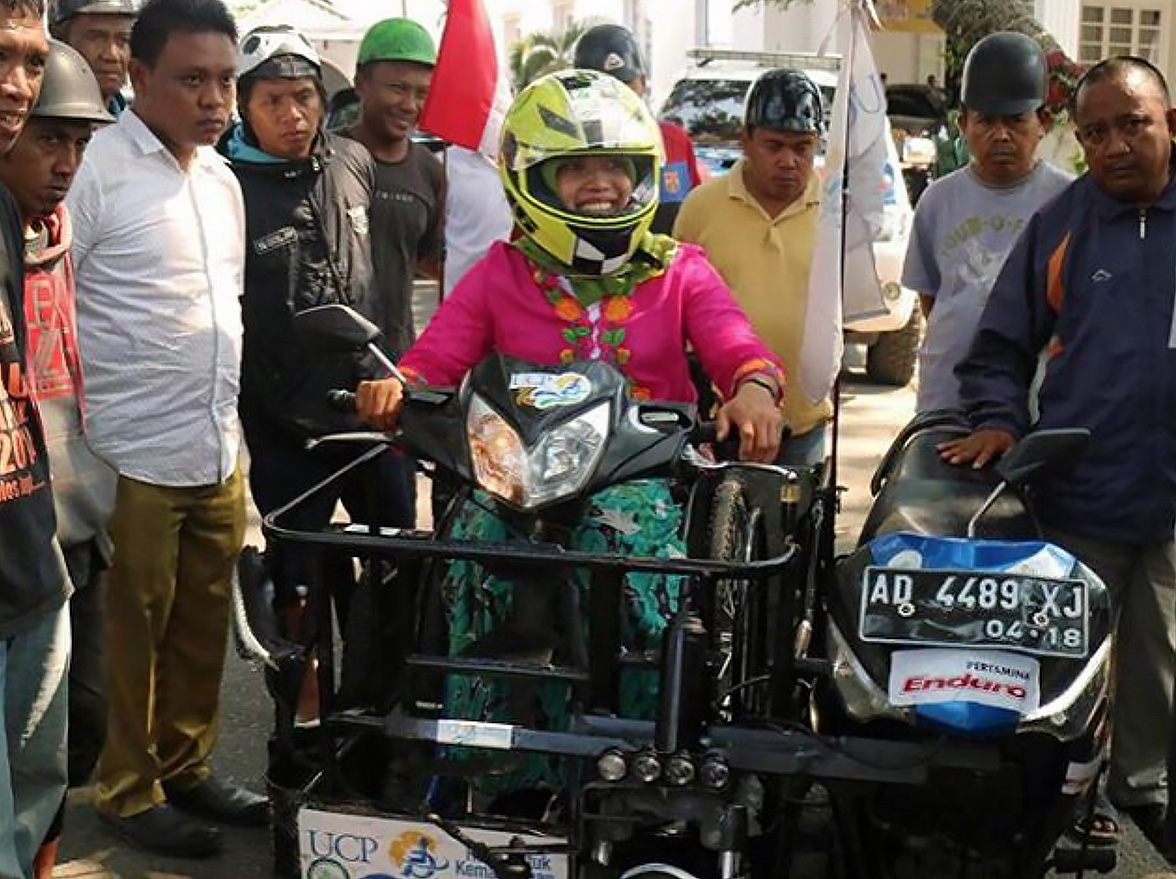
Grantees of the program included:
Albanian Disability Rights Foundation, Al Hussein Society, Association for the Physically Disabled of Kenya, Buckner International, Catholic Relief Services, The Center for Victims of Torture, Christian Blind Mission International, Cooperative Orthotic and Prosthetic Enterprise, CURE International, EveryChild, Friends International, Global Communities, Handicap International, Health Volunteers Overseas, International Nepal Fellowship, International Rescue Committee, Leonard Cheshire Disability, Mobility India, Motivation Charitable Trust, Motivation Romania Foundation, St. Boniface Haiti Foundation, United Cerebral Palsy Wheels for Humanity, University of Iowa, University of Pittsburgh – International Society of Wheelchair Professionals, Whirlwind Wheelchair International, World Institute on Disability, and World Vision.