
Media Center > Story
The Citadel and Global UGRAD: Cultivating the next generation of U.S. and international leaders
October 9, 2025
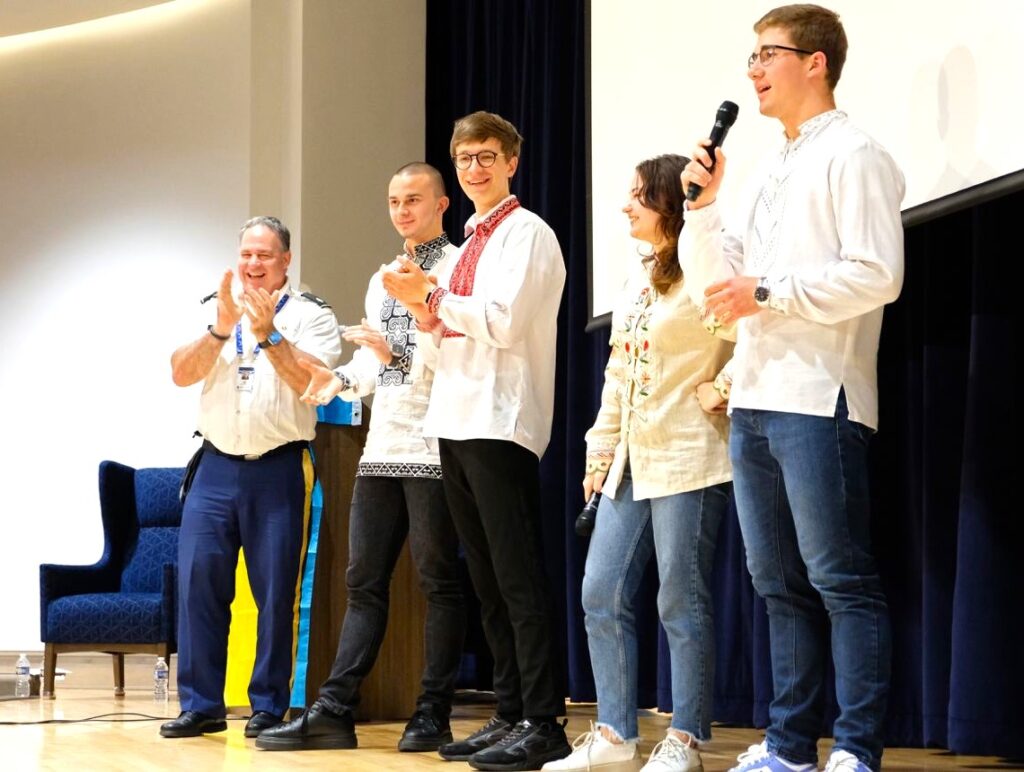
The Citadel has long been recognized for its commitment to developing principled leaders through education and service—leaders who have insight into issues, ideas, and values that are important to society. As part of this mission, The Citadel proudly partners with the Global Undergraduate Exchange Program (Global UGRAD).
Sponsored by the U.S. Department of State and administered by World Learning, Global UGRAD brings student leaders from around the world to U.S. colleges and universities – including The Citadel – for one semester of academic study, combined with community service, professional development, and cultural exchange. To date, The Citadel has welcomed 10 Global UGRAD students from Ukraine.
Through this partnership, Global UGRAD students experience The Citadel’s rigorous approach to developing leaders firsthand, while Citadel cadets and students gain international networks essential for careers in defense, diplomacy, and global business.
“The Global UGRAD Program represents a one-of-a-kind opportunity to extend The Citadel’s mission of educating and developing principled leaders with students from around the world,” says General Glenn M. Walters, USMC (Ret.), President, The Citadel.
“The Ukrainian students we’ve welcomed to our campus in South Carolina have engaged in rigorous academic study, cultural exchange, and community service while experiencing first-hand the power of our core values of honor, duty, and respect. Their presence at The Citadel has been a testament to the importance of international exchange and long-lasting connections that this important program creates.”
…
In the following Q&A, Lt. Col. Zane Segle, associate professor and executive director of the Center for International and Special Programs at The Citadel, shares what inspired the partnership with Global UGRAD, how it benefits both Citadel students and the broader Charleston community, and the lasting impact of hosting Global UGRAD students on campus.
What first inspired The Citadel to want to partner with the Global UGRAD Program?
Global UGRAD represents a win-win opportunity for The Citadel in South Carolina to help share American values with international students, while also directly benefiting from the economic and cultural impact of hosting rising leaders on our campus. Programs rooted in peer diplomacy and relationship building help our students prepare for real-world service after they graduate.
What makes The Citadel an ideal institution to host UGRAD students?
The Citadel in South Carolina is a one-of-a-kind host institution with a bedrock focus on leadership, service, discipline, and teamwork— all values that resonate with UGRAD program goals. The Citadel provides a structured, yet flexible, environment for students to thrive and combines a rigorous academic experience alongside character development.
Can you share how the Global UGRAD Program benefited the campus and Citadel students?
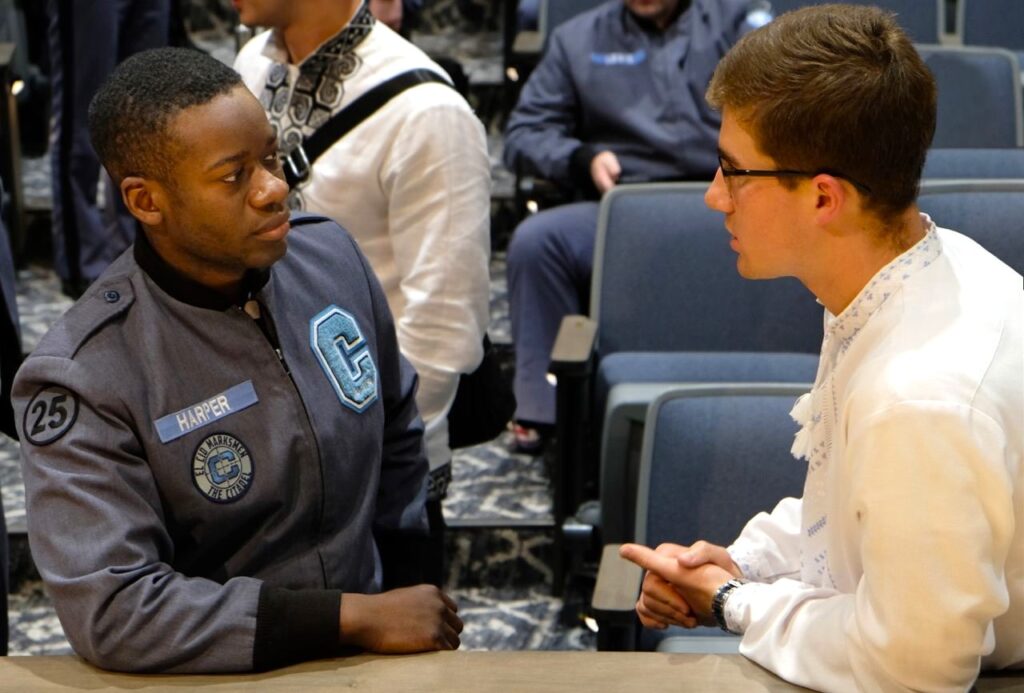
Our cadets benefit enormously from studying and living side-by-side with Global UGRAD participants. These interactions give cadets and students a first-hand experience building collaborative relationships and strengthening their preparation for leadership roles that involve sharing American values with international partners and allies.
What have been the program’s lasting impacts on The Citadel?
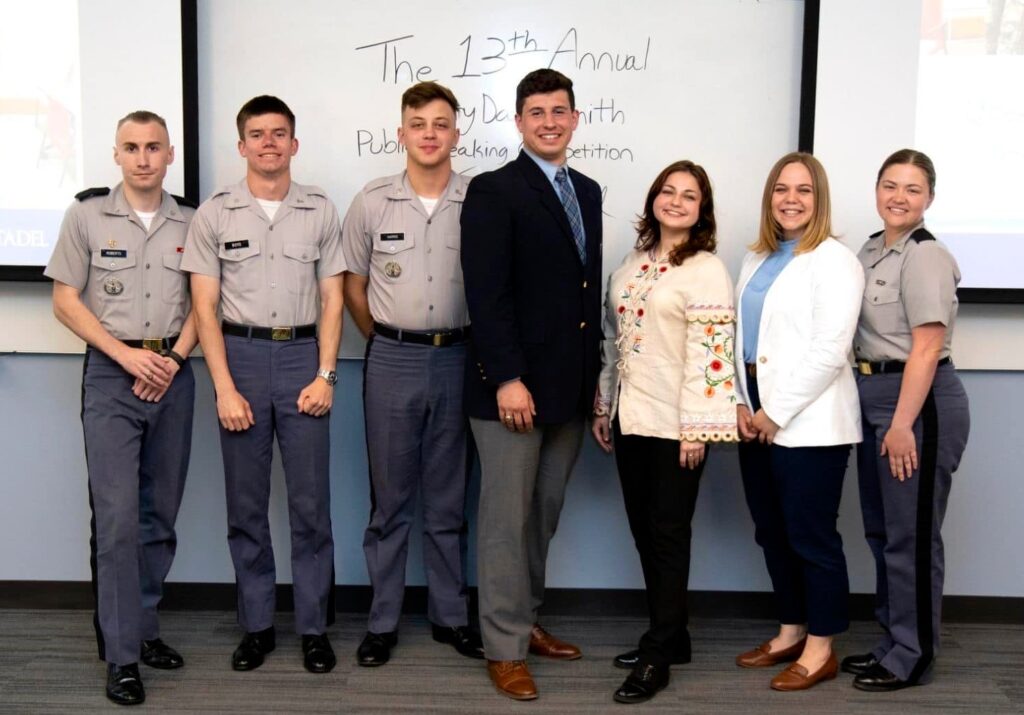
Global UGRAD alum connected The Citadel with contacts at the U.S. Embassy in Kyiv, which allowed us to pursue other State Department-funded opportunities and programs that directly benefit our community here in South Carolina.
“These interactions give cadets and students a first-hand experience building collaborative relationships and strengthening their preparation for leadership roles that involve sharing American values with international partners and allies.”
Can you share how the UGRAD program also helped the community around The Citadel?
Global UGRAD students participate in local community service projects that reflect The Citadel’s values of duty and service to others. These projects also allowed Charleston-area residents to engage with future leaders from Ukraine, which fostered mutual understanding at the community level and economic benefits to the local community through student spending.