




Media Center > Story
The IDEAS Program: Building global partnerships that work for American workers
May 6, 2026
By Abby Henson
In Bowling Green, Kentucky, Western Kentucky University (WKU) is preparing students for high-paying jobs at home—by sending them abroad.
The strategy is straightforward: invest in American students, strengthen the U.S. economy, and enhance American competitiveness in global business. With funding from the IDEAS Program, a competitive, merit-based grant program that supports international education in fields like entrepreneurship, technology, and innovation, WKU is delivering results by connecting local workforce needs to global opportunities.
“We believe our students need to operate in an international business environment and can do so without ever leaving their commitment to America behind.”
Closing the workforce gap
The challenge is clear. Since 1986, more than 200 Japanese companies have established operations in Kentucky, including Toyota, Nissan, Envision, and Sumitomo. Today, at least one in eight jobs in the Bowling Green region is connected to a Japanese-owned company— sustaining entire communities through engineering, manufacturing, accounting, and management positions. But advancing into leadership positions and higher-paying roles requires more than technical expertise.
“Most facilities are led by Japanese managers. When there are American managers, they almost always have some experience in Japan. Preference is given to applicants who have at least some understanding of Japanese management culture, experience in Japan, and even Japanese language,” said John Sunnygard, associate provost of Global Learning and International Affairs at WKU. “Graduates with experience in Japan, Japanese language, and culture have a leg up in the hiring process and adapt more quickly to their work environment.”
That gap—between what local employers need and what most Kentucky graduates bring—is what WKU set out to close.
From classroom to career pipeline
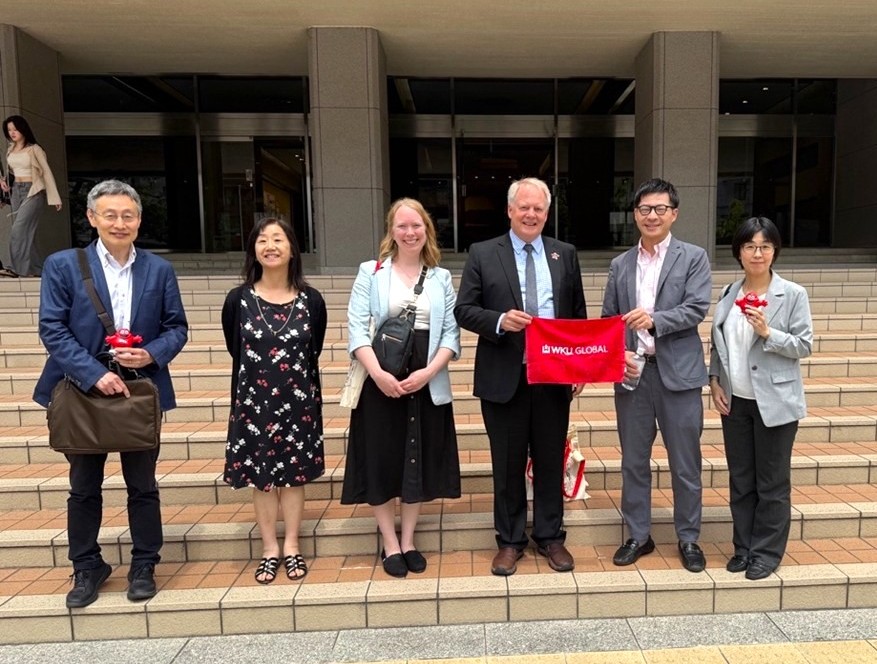
Beginning in 2021, after being selected through a competitive application process, WKU received IDEAS Program funding and began preparing students—many of whom had never left their home state—to study abroad. WKU was awarded additional funding from the IDEAS Program in 2025, which helped the university establish partnerships with Japanese universities to launch exchange programs, faculty-led trips, and industry-focused internships focused on critical sectors: agriculture and manufacturing.
Building those partnerships meant forging the right connections in both Kentucky and Japan. Faculty ties, supported by EducationUSA, led WKU to Hirosaki University in Japan—another rural-focused institution with strong agricultural programs. The two universities, both rooted in community and committed to preparing students for real-world impact, formed a natural partnership.
“Japanese investment is critical to our region. The IDEAS Program and the linkages we seek to create reinforce the vitality of economic, academic, and cultural relations between the United States and Japan.”
In fall 2025, WKU professor Dr. Kumi Ishii implemented a virtual exchange with Hirosaki where her students tackled real-world problems in teams and built familiarity with Japanese business and communication styles. Dr. Ishii formed an additional partnership with her alma mater, Kyoto University of Foreign Studies, which opened the door for American students to complete internships in industries such as gaming, design, and programming.
WKU built on these university partnerships by working with local Japanese companies to develop additional internship pipelines—both in Kentucky and in Japan—ensuring students gained the specific experience employers sought. The result: American students prepared for American jobs, with the global skills Kentucky employers demand.
The message to Japanese partners is clear. “We want them to know that WKU trains outstanding talent, that we can be a partner for research as well as cultural opportunities,” says Sunnygard.
Building community buy-in
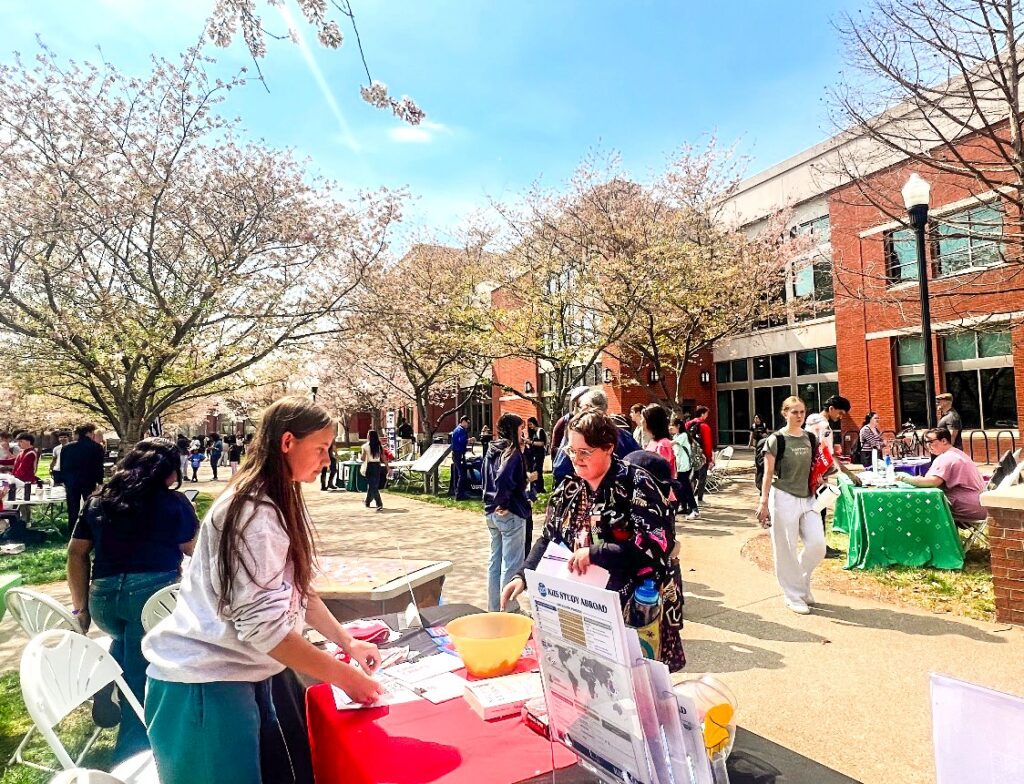
To strengthen these partnerships, WKU recently hosted an Ohanami celebration, a Japanese tradition marking the springtime cherry blossoms. Representatives from local industry, the mayor’s office, the Chamber of Commerce, and the Japan Consulate in Nashville gathered at the heart of campus, which is home to 100 cherry trees. The event underscored how global engagement, when thoughtfully cultivated, can strengthen communities and economies at home.
“Japanese investment is critical to our region. The IDEAS Program and the linkages we seek to create reinforce the vitality of economic, academic, and cultural relations between the United States and Japan,” says Sunnygard. “We believe our students need to operate in an international business environment and can do so without ever leaving their commitment to America behind.”
The impact extends beyond individual students. By aligning international education with regional workforce needs, the IDEAS Program strengthens American communities, supports local employers, and enhances U.S. competitiveness in strategic industries—demonstrating how global engagement serves American interests at home.
The IDEAS Program is a program of the U.S. Department of State with funding provided by the U.S. Government, administered by World Learning.